 India
India
The Investment Case Framework for Care Provided by Midwives outlines the value of investing in midwifery to improve maternal and newborn health. It provides practical guidance for estimating costs, workforce needs, and impact, enabling countries to build evidence-based strategies, strengthen health systems, and advocate for sustained investment in women-centred, respectful midwifery care.
 India
India
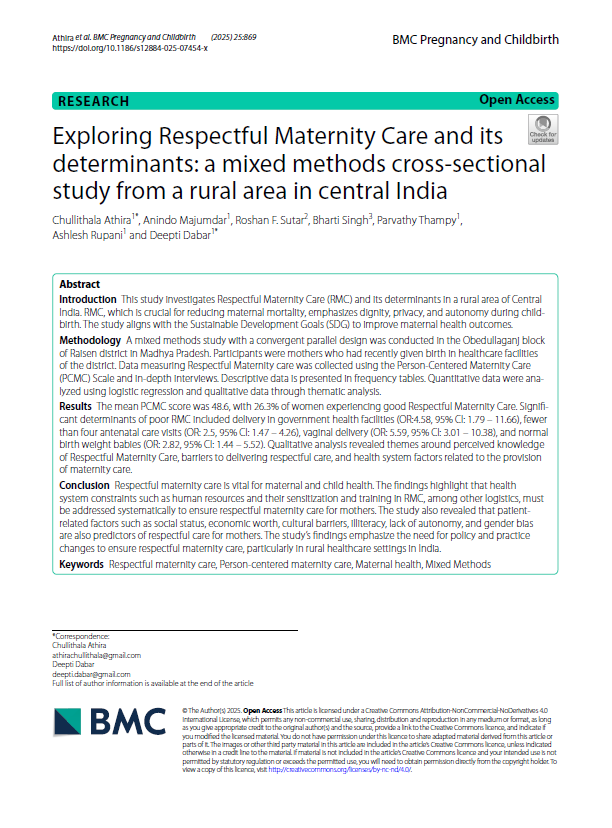
This study investigates RMC and its determinants in a rural area of Central India, using the Person-Centered Maternity Care (PCMC) Scale. The findings highlight the importance of strengthening accountability, quality improvement, and respectful care practices across the health system.
 India
India
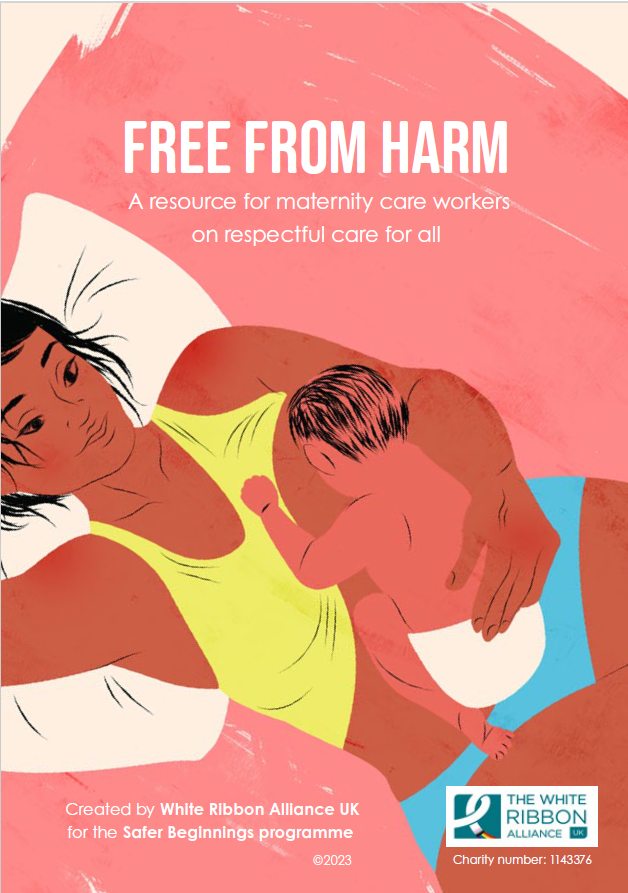
This is a practical toolkit that helps providers deliver maternity care that is not only clinically safe but also respectful and emotionally supportive. Grounded in trauma-informed care, it emphasizes dignity, consent as central to quality of care.
 India
India
The presentation by Sambodhi offers early findings from facilities in India, revealing both gaps and opportunities to embed respectful care more consistently.
 India
India
The presentation by Dr. Tamkin Khan, Professor, Department of OBGYN, JNMC, Aligarh Muslim University, India offers a hospital’s experience integrating respectful care into routine obstetric services—including for women experiencing stillbirths.
 India
India
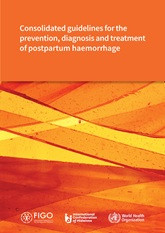
These consolidated guidelines focus on the care of women during pregnancy, childbirth and the immediate postpartum period in any health care setting.
 India
India
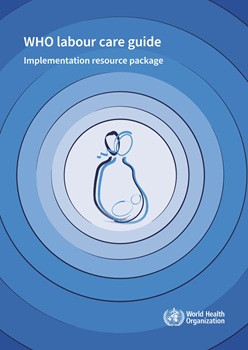
The WHO Labour Care Guide advances evidence-based, respectful, and person-centered intrapartum care by strengthening health workers’ capacity for standardized monitoring and timely decision-making.
 India
India
The Aastrika Foundation’s presentation during the August 2025 ARMCC Members' meeting showcases its work in advancing midwifery-led maternity care in India, with Respectful Maternity Care (RMC) as the foundation of all training and practice. Through its extensive in-person programs, the Foundation has trained healthcare professionals to build confidence and empathy, and introduced workshops on active birth, breech birth, newborn care, and more. By embedding RMC principles at community, policy, and facility levels, and partnering with leading institutions across India, Aastrika is transforming birthing practices.
 India
India
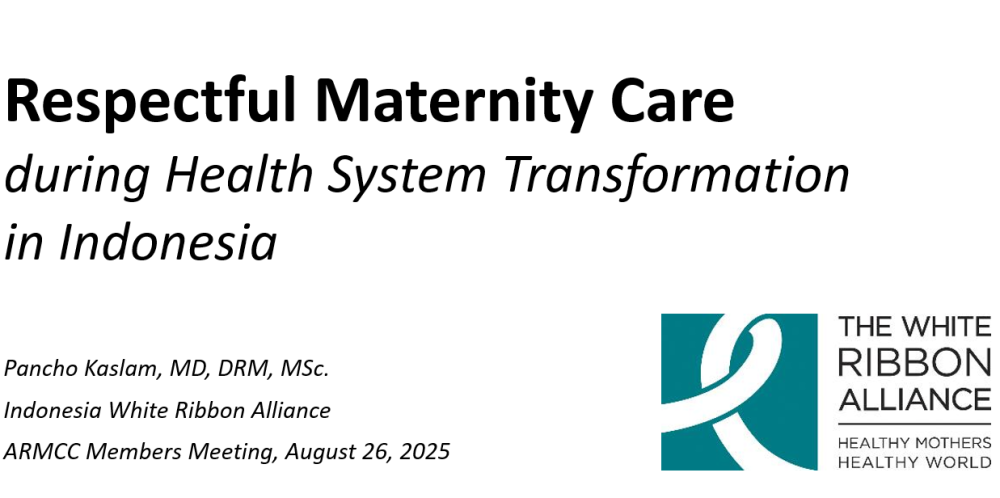
The presentation on Respectful Maternity Care (RMC) in Indonesia by Dr. Pancho Kaslam of WRA Indonesia during the August 2025 ARMCC Members' Meeting highlighted the country’s persistent maternal and neonatal health challenges, with high mortality rates and barriers to care rooted in geography, socio-cultural norms, and health system limitations. A multicenter study revealed low RMC scores, particularly in discrimination-free care, underscoring the urgent need for culturally sensitive, women-centric maternity services. Strategies to integrate dignity and respect in health systems, empower women through shared decision-making were shared as critical steps toward Health System Transformation in Indonesia.
 India
India
Birth companionship is recognized as an essential component of respectful maternity care, contributing to improved maternal and neonatal outcomes. Despite its proven benefits, the practice remains less commonly practiced in Vietnam, particularly in public hospitals. This study explores perceptions, barriers, and facilitators of birth companionship in both public and private hospital settings in Vietnam.

Access the member dashboard, receive exclusive Respectful Maternity Care insights, and connect with a vast community of changemakers ready to make a difference in maternity care across Asia.
SIGN UP FOR FREE
 Home
Home